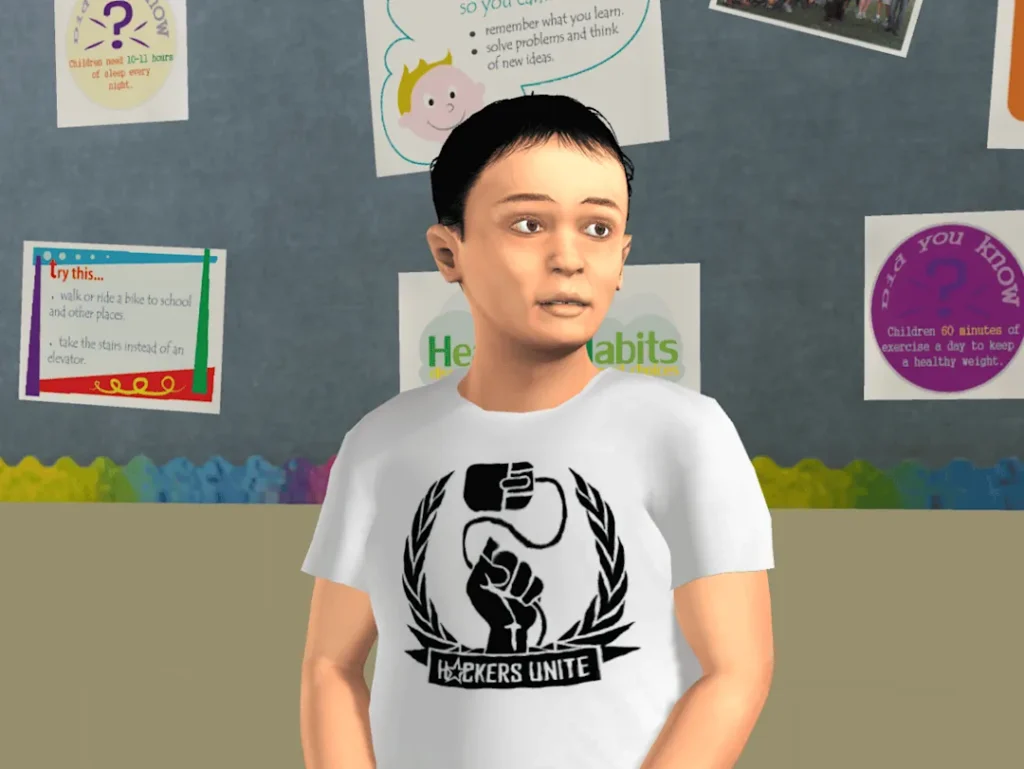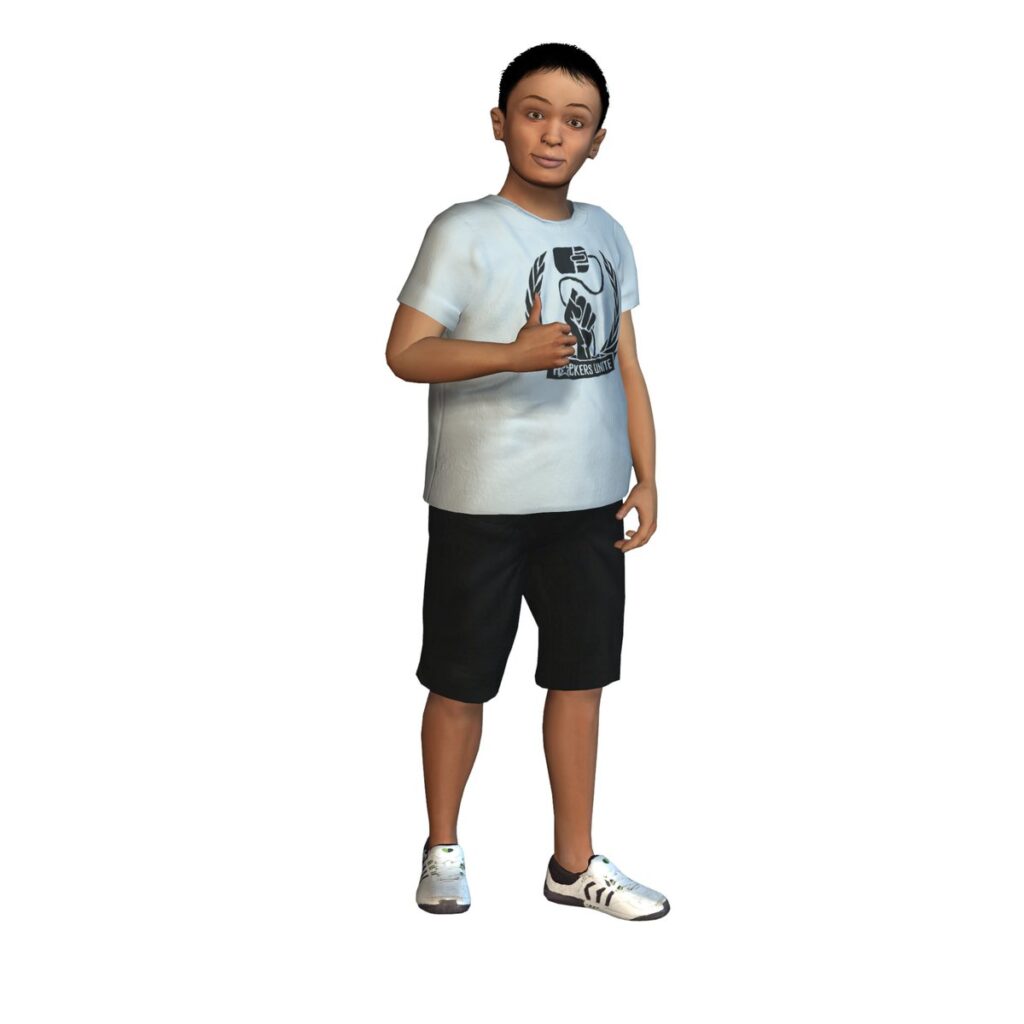
The case of Danny Rivera Shadow Health is a useful simulation aimed at enhancing the confidence of nurses in pediatric assessment by giving them the opportunity to work on their clinical skills in a safe and realistic virtual environment. Danny, who is 8 years old with a chronic wet cough, wheezing, and mild shortness of breath, is a reflection of the nature of respiratory issues that are common in the pediatric environment. This realistic case scenario enables learners to develop pattern recognition skills and use clinical rationality to diagnose an asthma, bronchitis, or allergy case. Since the environment offered by Shadow Health is risk-free, the student nurse can train, make mistakes, and revise their approach without any fear, which, in its turn, will increase their confidence once the students see actual patients.
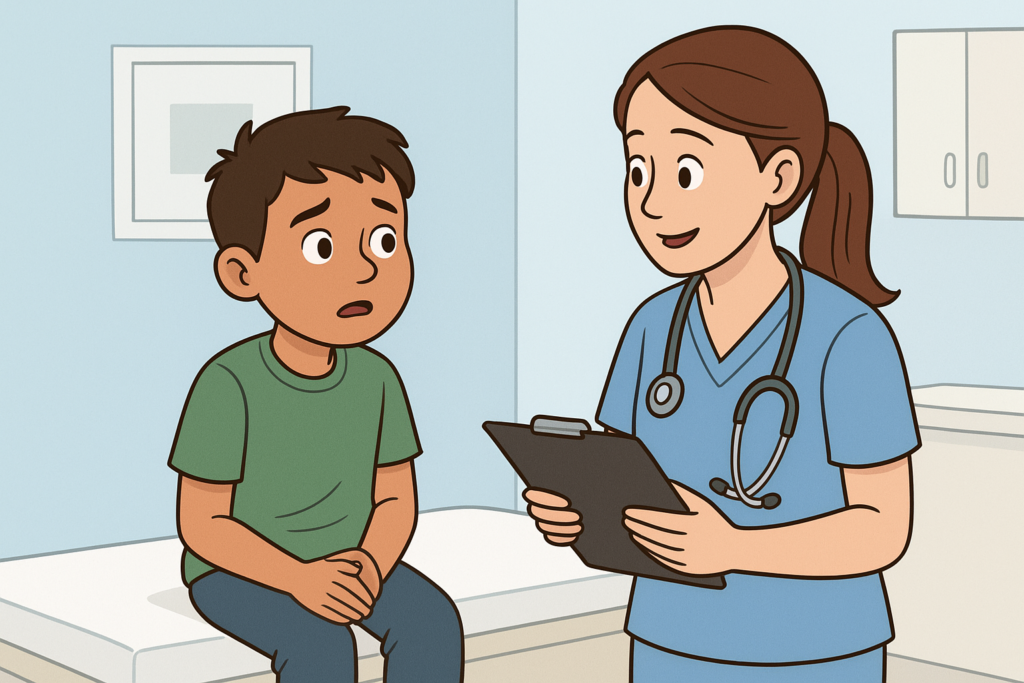
The simulation teaches the learners through a systematic evaluation procedure that encompasses the data collection of subjective data of both Danny and his caregiver, objective data gathering by conducting targeted respiratory tests, and synthesis of the data to draw the correct nursing diagnoses. Students also make guardian phone calls and collect family health history, which provides them with experience in the real-world communication requirement. One of the strongest points of the case is its focus on communication with children, as the students need to strike a balance between child-friendly conversations and professional written records. Such two-pronged interaction produces effective communication skills that are critical in providing pediatric care.
Nurses must interpret the findings, prioritize, and design interventions based on evidence, which deeply intertwines the process of critical thinking. It is also crucial that the reflective part stimulates learners to reflect on their assessment decisions, raise some doubts about the priority of symptoms as they do, and wonder how they would act otherwise in future clinical scenarios. Though the case of Danny Rivera is tricky and demands time, interviews, and close attention to the examination results, it ultimately develops competence and confidence. Through the simulation, the students enhance their skills with regard to performing a thorough pediatric assessment, effective communication with children and their caregivers, and making beneficial clinical choices that directly apply to practice.