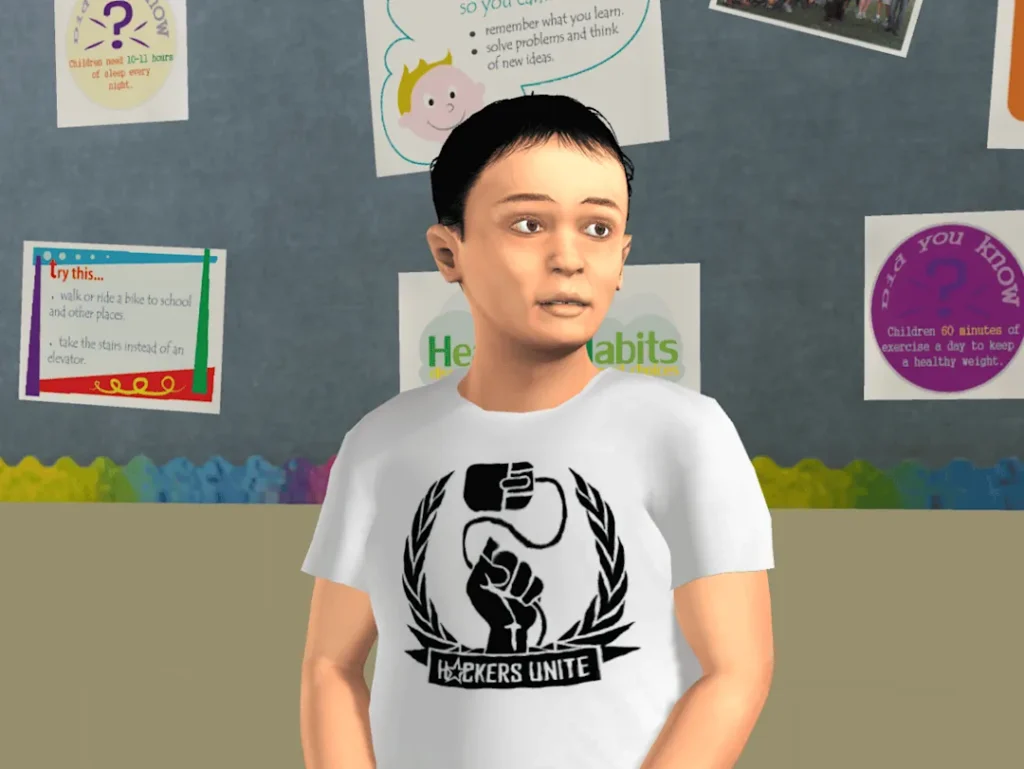
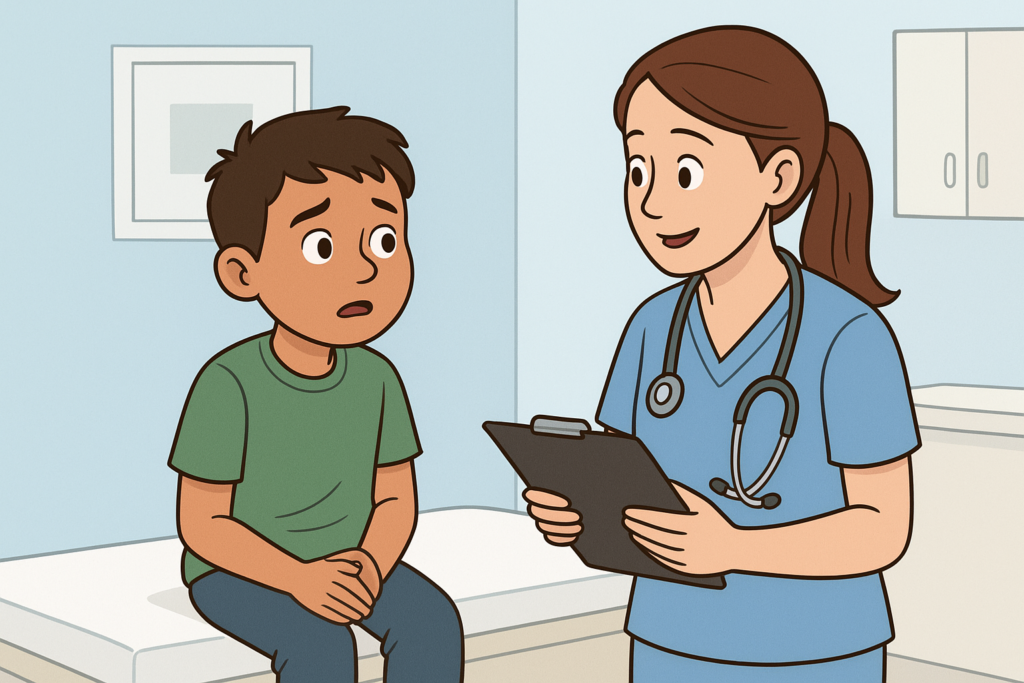
Efficient patient education in the virtual simulation of Danny Rivera is based on clear communication with an 8-year-old patient and ensuring the active participation of his caregiver in the teaching process. Since Danny might struggle with medical terminology or miscommunicate his symptoms, the nurse needs to use simple and concrete language and avoid jargon and open-ended questions that would allow Danny to describe the cough in his terms. Nonverbal communication, like facial expressions or a level of difficulty breathing, can be observed to add strength to what he is saying. The involvement of the family cannot be ignored, as the grandmother is the main support for Danny during the visit; her agreement about his state, triggers, and care plan enhances the overall effectiveness of the plan. Speaking about the environmental factors, in particular, the secondhand smoke exposure provided by Danny’s father is a crucial point that needs to be taught to make the family aware of how the home conditions may aggravate the respiratory symptoms and how minor modifications may positively influence the well-being of Danny.

Education also involves managing symptoms and advising the family on when to consult a doctor, how to take medications, and which comfort measures to apply to Danny to improve his cough. Instructions on medication should be comprehensible and age-appropriate to clarify the mode of action of each medicine, the anticipated effect, and the reporting of concerns. The health literacy assessment makes the teaching worthwhile; with simple instructions and visual aids, as well as the teach-back method, it is possible to verify that the understanding is there. Therapeutic communication enhances rapport through a low-pitched voice, bending down to the child’s eye level, empathy for feelings, and solidarity with cooperation. You can use open-ended questions to gather comprehensive information without overburdening the patient. The comprehensive education plan also outlines diagnostic works, lifestyle modifications, red flags, and follow-up expectations along with the recognition of other emotional effects on the child and the caregiver. Recording all education, patient reactions, obstacles, and follow-up requirements will ensure the continuity of care.