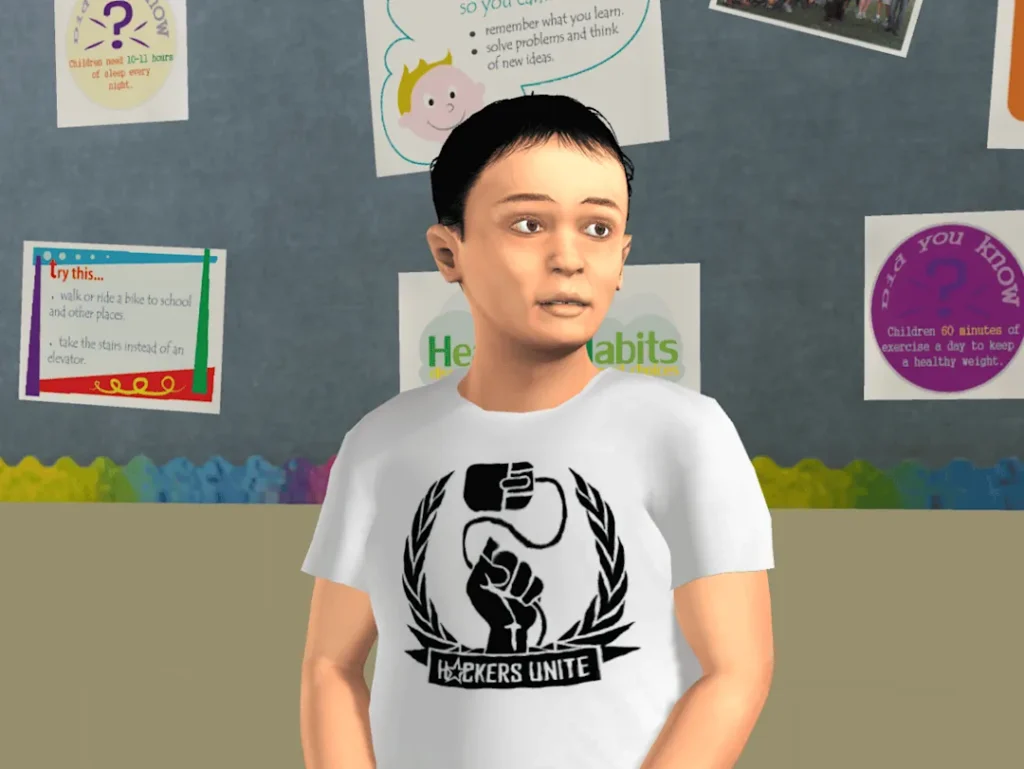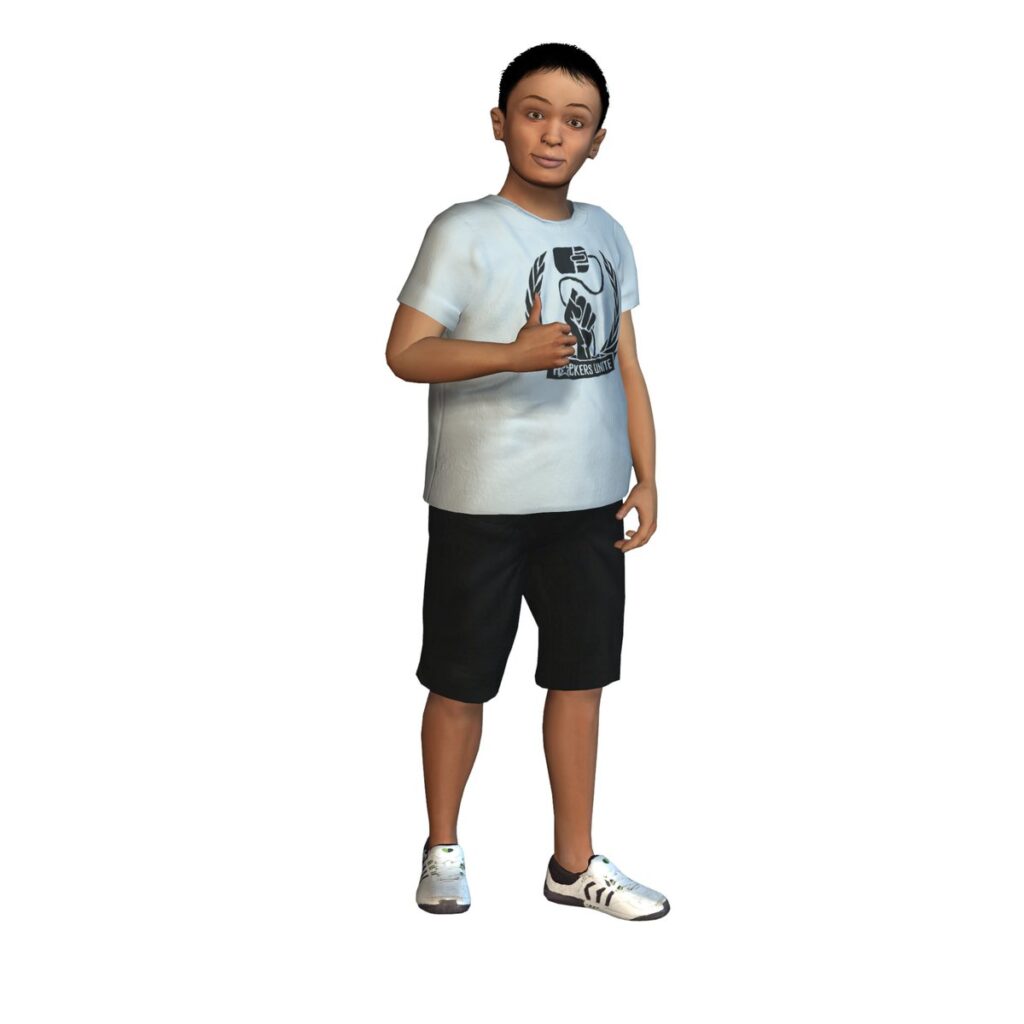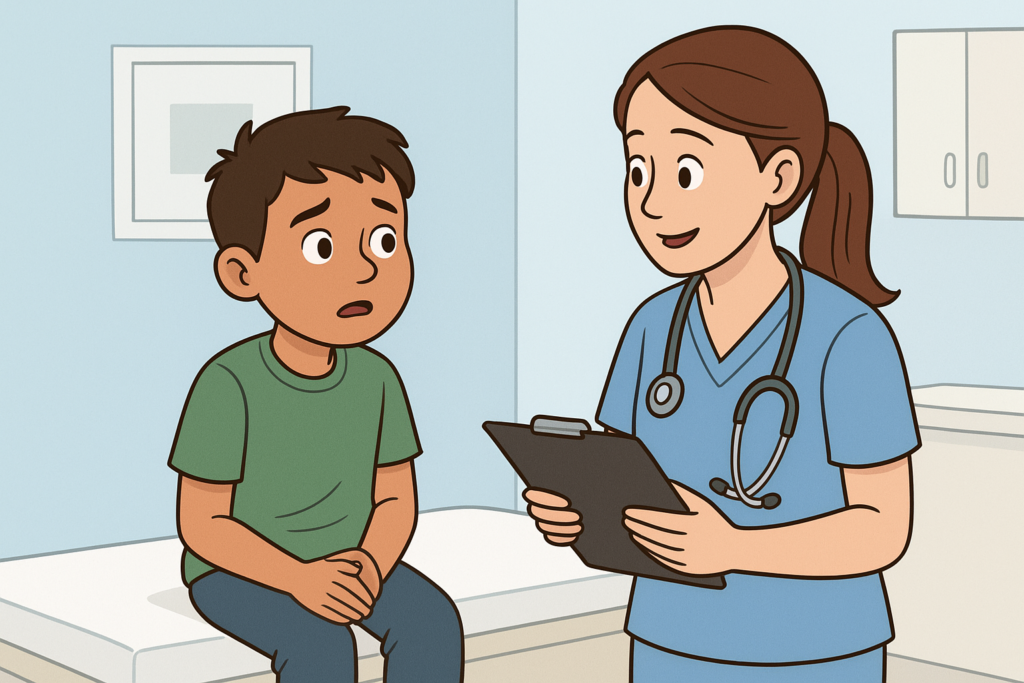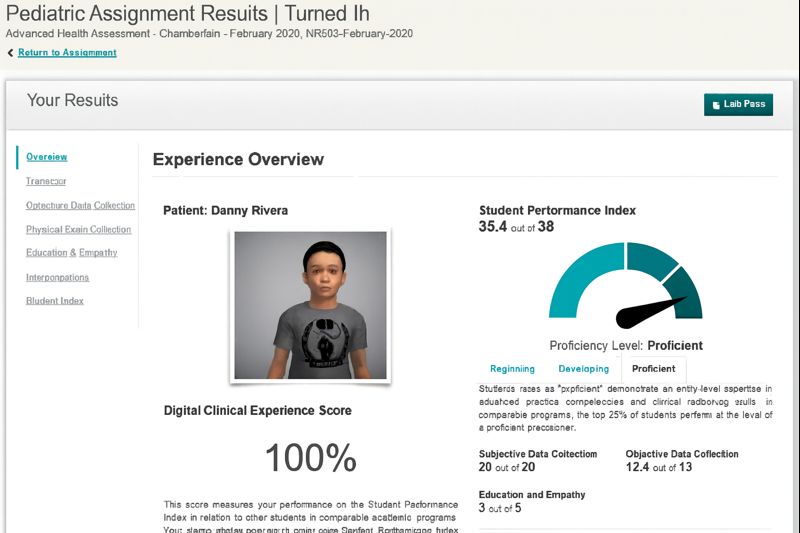
Shadow’s health case for Danny Rivera is one of the classic simulations that are used in pediatric nursing education, where students are provided with a real-life and risk-free experience to acquire essential skills to take care of children. In this virtual clinical encounter, 8-year-old patient Danny Rivera arrives with complaints of a productive cough that has lasted several days, accompanied by his grandmother, which provides learners with an opportunity to train in comprehensive pediatric evaluation in a common yet complex situation typical of primary care and school nursing.
The first reason why the case of Danny is crucial is that it focuses on the appropriate communication with age and family-centered care. Children such as Danny tend to be reserved or unable to explain symptoms, and this necessitates the nurse to use simple yet intriguing language when establishing rapport with the patient, which can include simple open-ended questions like how the cough feels and how it impacts play and school.
At the same time, the consultation with Danny’s grandmother, Abuela, provides essential historical information, including exposure to environmental factors like secondhand smoke, recent contacts with sick individuals, and previous illnesses. This bi-directional interviewing methodology imparts to nurses that balancing the goals of child empowerment and collaboration with the caregiver is an essential component of clinical practice in the real pediatric setting, where family relationships play a central role in the health results.
The simulation is also used to sharpen focused respiratory assessment techniques that are specific to children. The most significant pointers to upper respiratory infection, comprising a wet, gurgly cough, which is worsened at night, clear rhinorrhea, a sore throat, right ear discomfort, and fatigue that disturbs sleep, are obtained during subjective data collection. The current objective data include slightly fast breathing, clear nasal discharge, a red throat with bumps, possible swelling of the eardrum, sore lymph nodes in the neck, and clear lungs.
Indoctrinating the students to distinguish normal versus abnormal, perceiving postnasal drip, and eliminating complicating factors such as otitis media or the involvement of the lower respiratory tract. Such aspects reflect the common pediatric experience, which creates trust in detecting distress early and creating differentials.
What is more, Danny Rivera supports therapeutic communication, empathy, and health education. Nurses get trained on how to relate with the discomfort of the child and its effect on everyday life whilst providing practical education on the influence of hand hygiene, coughing, daily hydration, and smoking reduction of the culture in a culturally sensitive manner. This approach facilitates preventive intervention and compliance, which are necessary to curb frequent respiratory complications amongst the vulnerable groups. Finally, the case of the Danny Rivera Shadow Health involves the combination of theory and practice, as it promotes clinical reasoning, documentation, and self-reflection in a controlled environment.
It helps nursing students learn to give caring, evidence-based treatment to young patients by simulating real-life challenges, taking into account their development, environmental dangers, and family participation, which leads to improved clinical results. Masters of this scenario will be better prepared with the competence and integrity required in the future nursing of the child.
Additionally, the Danny Rivera Shadow Health scenario helps students develop their communication skills and ability to collaborate with interdisciplinary teams to provide holistic care. By engaging in this simulation, nursing students can enhance their critical thinking skills and problem-solving abilities in a safe and supportive learning environment.
For more articles you can get them in our website at Taic Research using the Link: https://taicresearch.com/articles/
References
CDC – Pediatric Assessment: https://www.cdc.gov
MedlinePlus – Abdominal Pain: https://medlineplus.gov
NANDA International: https://www.nanda.org
Shadow Health Health Assessment Digital Clinical ExperiencesTM for undergraduate nursing students. (n.d.). www.elsevier.com. https://www.elsevier.com/products/shadow-health/health-assessment
Shadow Health Health Assessment Digital Clinical ExperiencesTM for undergraduate nursing students. (n.d.). www.elsevier.com. https://www.elsevier.com/products/shadow-health/health-assessment