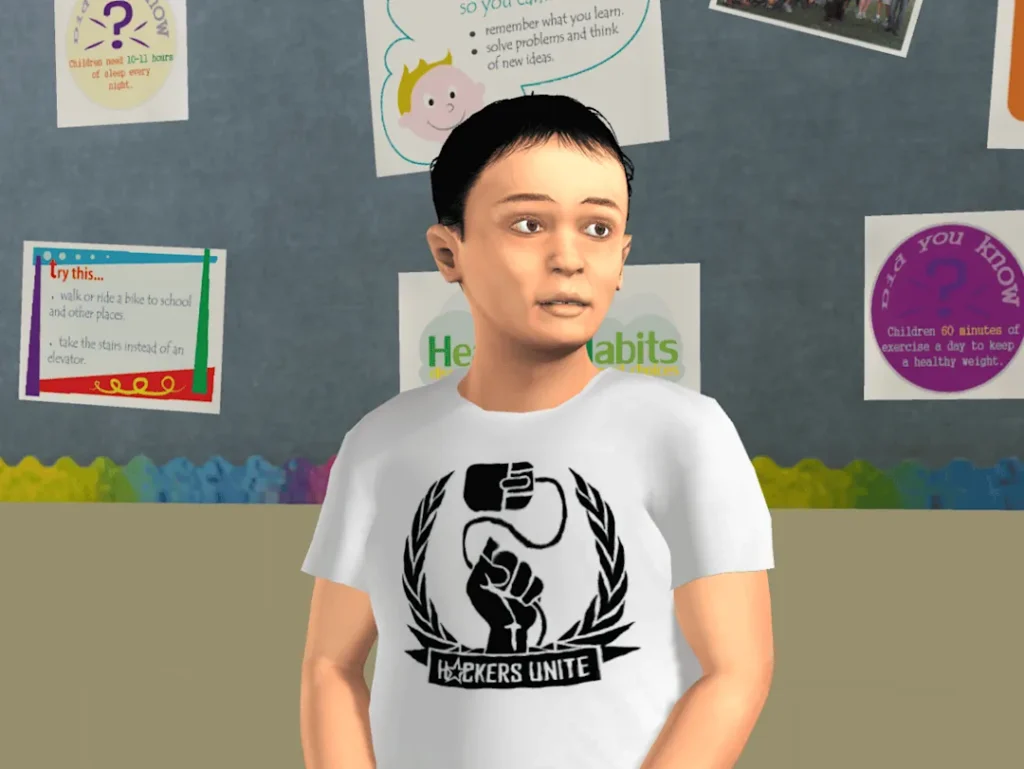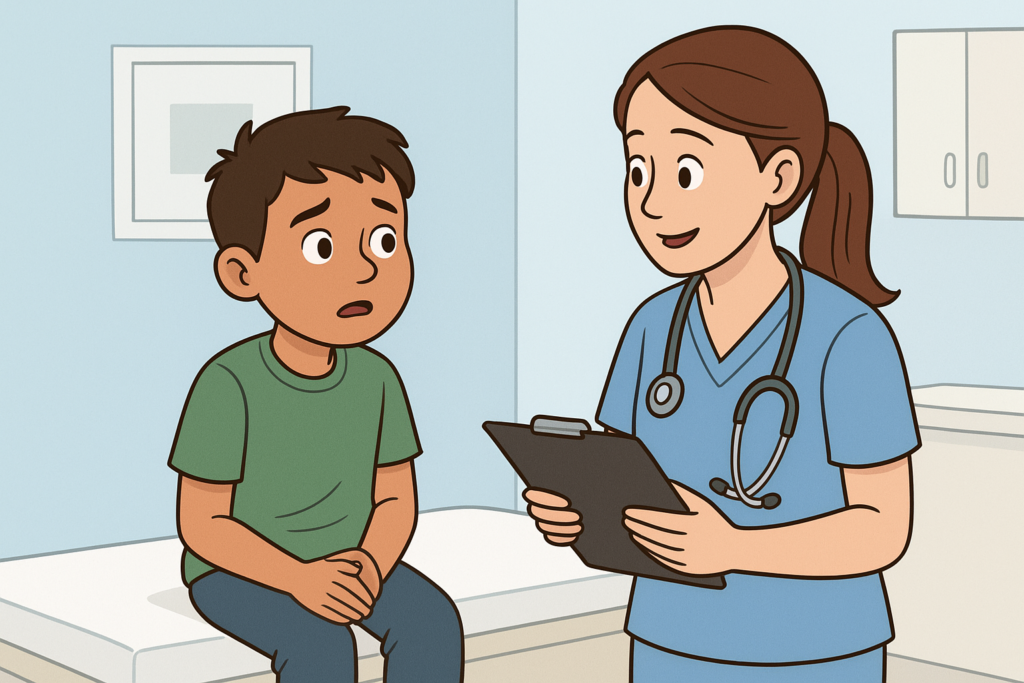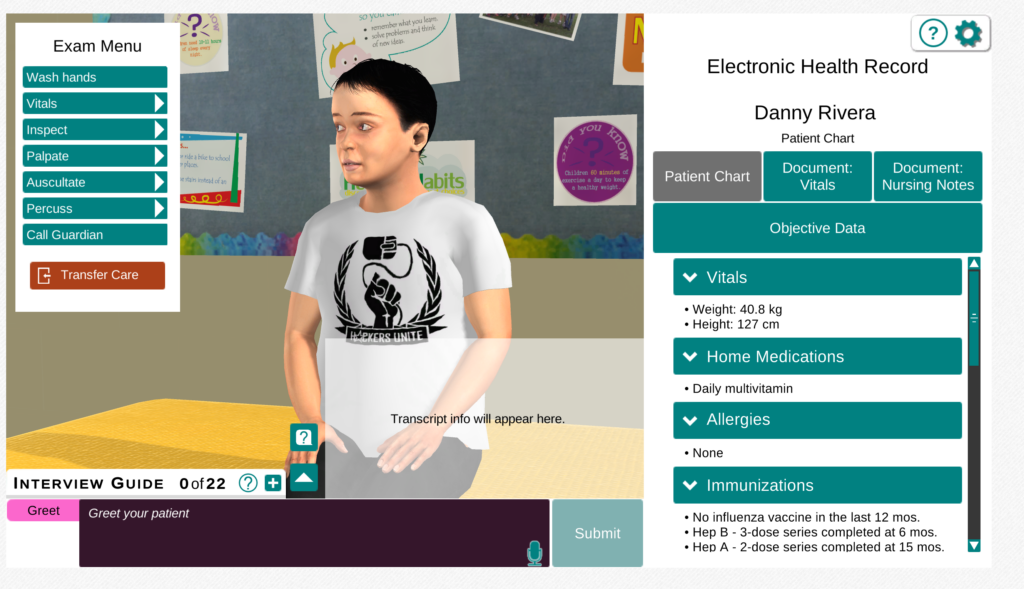
The Shadow Health Focused Exam Cough with Danny Rivera gives the nursing students a real pediatric case scenario in which respiratory assessment is practiced on an 8-year-old child. Danny arrives at the clinic with a clear wet cough, sore throat, and mild ear pain. In this simulation, pointers in pediatric history-taking, physical examination, communication, and clinical reasoning are recognized. The ability to identify and prevent mistakes during the history-taking and physical examination process is a big step towards enhancing the accuracy of assessment, therapeutic relationship, and general performance rating.
The most common mistake made during the initial stage of history taking is a failure to use age-appropriate and child-friendly language. Nurses often use complicated medical terms when directly questioning Danny about dyspnea or hemoptysis, which results in incomplete answers. Nurses are advised to use straightforward concrete questions like, Does it hurt when you breathe? For example, “Have you coughed up something that looks unusual?” The learner group also includes individuals who do not focus on the essential role of the caregiver.
The grandmother of Danny offers the necessary collateral history, such as the time of onset, a nighttime exacerbation, recent contact with a sick classmate, and taking purple cough syrup in the morning. Failing to interview the grandmother in detail overlooks all important information on home remedies, medication compliance, and exposure to secondhand smoking by the father of Danny, which are significant potential causes of long-term symptoms.
The other error is insufficient investigation of related symptoms and risk factors. Students often stop at the confirmation of the nature of the cough and do not investigate related systems. Danny denies any swollen glands, postnasal discomfort, and pain in the right ear that is rated at 3/10, implying that it could be due to otitis media or sinus. Red flags are systematically screened by high-performing assessments: fever, pain in the chest, wheezing, stridor, or difficulty in swallowing.
Most people rarely inquire about hand hygiene practices. Danny says he never washes his hands frequently and touches his face a lot after interacting with a sick classmate, indicating that education on infection prevention can be taken. Neglecting environmental triggers like household smoking may lead to incomplete care plans.
Physical examination errors also contribute to assessment gaps. Pediatrics are to be examined with soft and playful methods to diminish anxiety, though some students are too fast or intrusive, which drives Danny away. One of the common mistakes is to hear the lungs without first building rapport with the patient by using fewer threatening methods to listen to the lungs, e.g., checking the nose passages or listening to the heart.
Another mistake is the inaccurate reporting of wheezes or crackles in the presence of clear bilateral lungs, resulting from the transmission of upper airway sounds in rhinorrhea. To avoid such mistakes, proper sequencing (anterior then posterior) and comparison are good ideas. Another pitfall is to forget a proper HEENT examination.
The usual causes of clinical reasoning errors are over- or under-diagnosis. Nevertheless, other students can jump to pneumonia despite normal lung fields and no fever or tachypnea except for mildly elevated (RR 24, SpO2 95%). Others allude to the case as a mere cold without thinking about the secondary complications, such as the presence of otitis or the effect of chronic smoking on the persistence of the symptoms. The results suggest that a viral upper respiratory infection with postnasal drip is the main cause, but conditions like acute otitis media, allergic rhinitis, and early asthma flare-ups should also be looked at.
Lastly, other mistakes are often identified in documentation and patient education. Students can give generic instructions instead of specialized instructions: show how to wash the hand correctly, talk about cough manners using a tissue or elbow, and talk about avoidance of smoke with his grandmother. Statements of empathy such as “That cough is so annoying,” particularly in the night, score points.
Care plans that do not include follow-up instructions (return in case of fever, continue symptoms for more than 7-10 days, difficulty to breathe arises) have crucial loopholes. In conclusion, it is important nurses be keen to avoid these mistakes when tackling Danny Rivera’s case in order to score maximum points in this case study.
For more articles you can visist our website at Taic Research through the link: https://taicresearch.com/articles/
References
CDC – Pediatric Assessment: https://www.cdc.gov
MedlinePlus – Abdominal Pain: https://medlineplus.gov
NANDA International: https://www.nanda.org
Shadow Health Health Assessment Digital Clinical ExperiencesTM for undergraduate nursing students. (n.d.). www.elsevier.com. https://www.elsevier.com/products/shadow-health/health-assessment