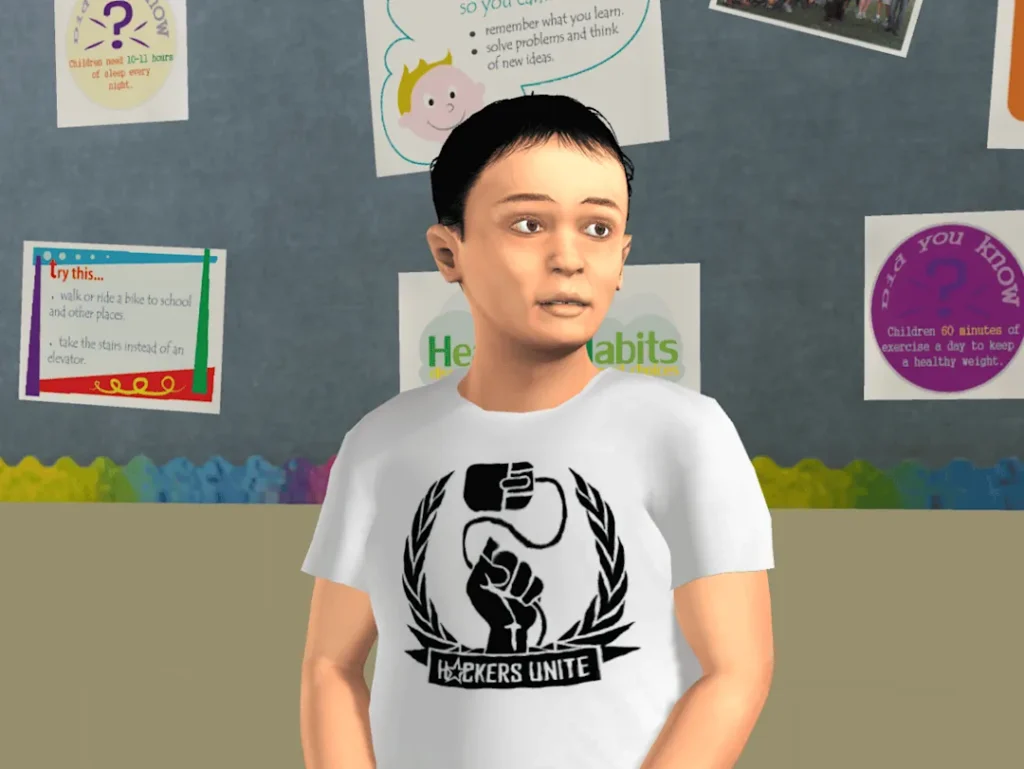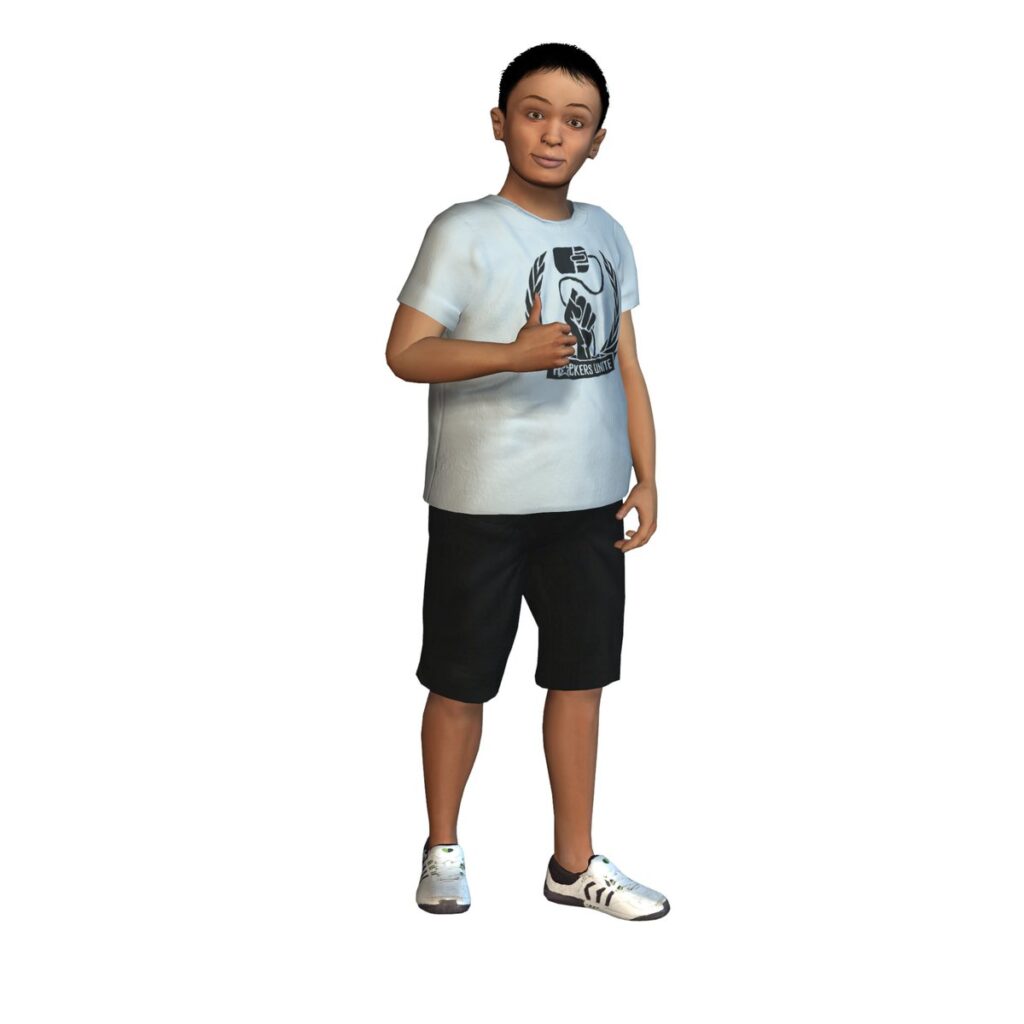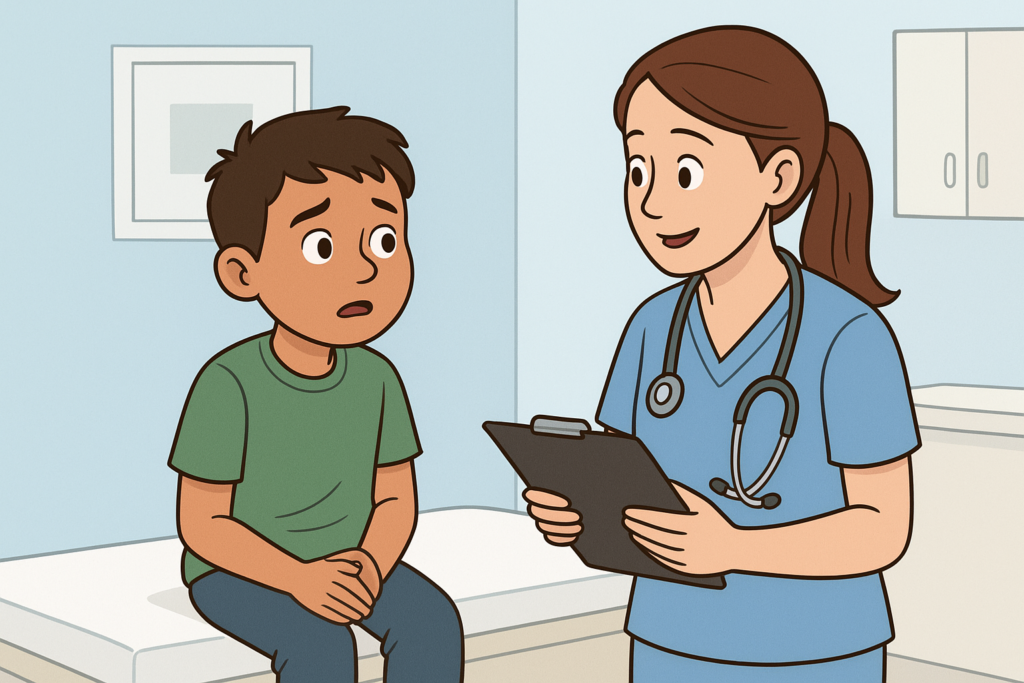
The Danny Rivera Shadow Health Case is an online pediatric simulator that aims to enhance clinical reasoning among nursing students in a realistic and immersive manner. The case of an 8-year-old patient, Danny, demonstrates that the patient has respiratory symptoms after coming into contact with a classmate with similar symptoms. There’s also a history of passive smoking within Danny’s household. The nurse needs to collect data, analyze results, and make informed clinical decisions. A targeted physical examination is also carried out after the history-taking session (inspection, auscultation, percussion, and palpation).
After both sessions, nurses are expected to employ pattern recognition and come up with differential diagnoses like asthma, bronchitis, or allergies, and the symptoms are matched to probable underlying causes. It is an analytical process that promotes understanding of pathophysiology better and aids in creating the correct nursing diagnosis. Critical thinking is practiced further because the students assess environmental conditions like the exposure to secondhand smoke that can affect the health of Danny as well as the ability to distinguish normal and abnormal physical results. Evidence-based decision-making also assists students in planning appropriate interventions by ensuring their choices align with existing clinical guidelines. The aspect of communication is also vital in this simulation, where students are expected to communicate therapeutically with the patient and his caregiver both, using language that is age-appropriate and empathetic and effective methods of interviewing.
Finally, the case can enable the learners to develop a holistic approach to care, which encompasses diagnostic plans, medication guidelines, education of patients and caregivers, referrals, and follow-up suggestions. The simulation of Danny Rivera offers the nursing students a great opportunity to train, practice, and fine-tune their clinical judgment skills that they will use when dealing with real patients because the simulation replicates real outcomes of the clinical environment in a safe, controlled setting.