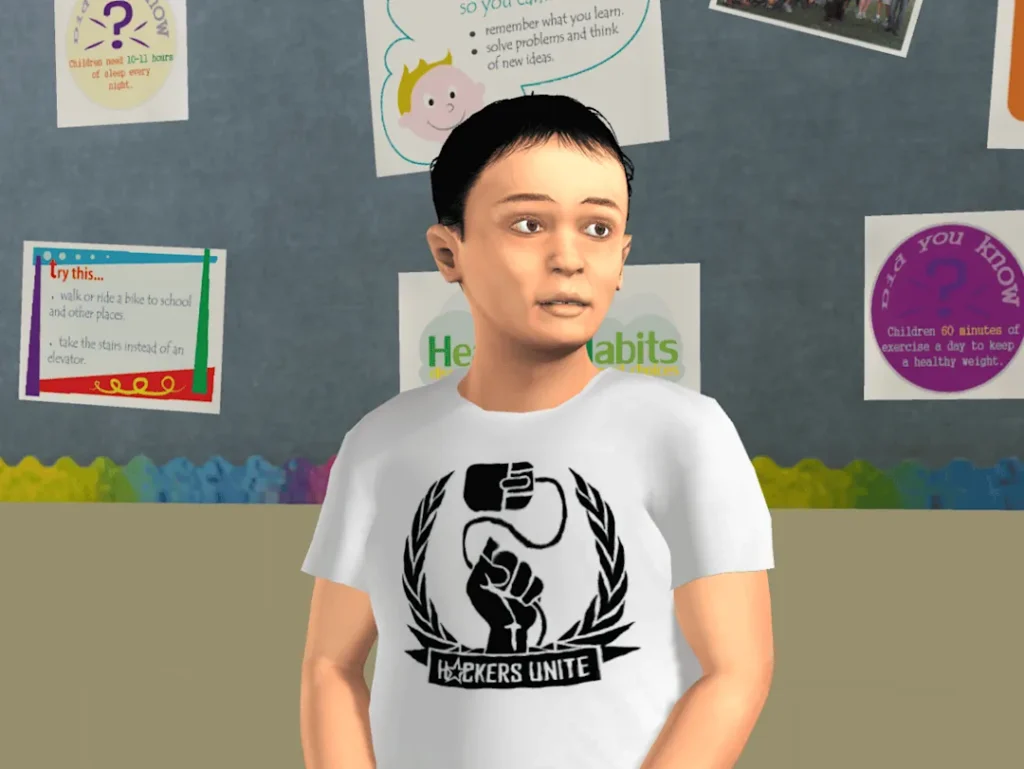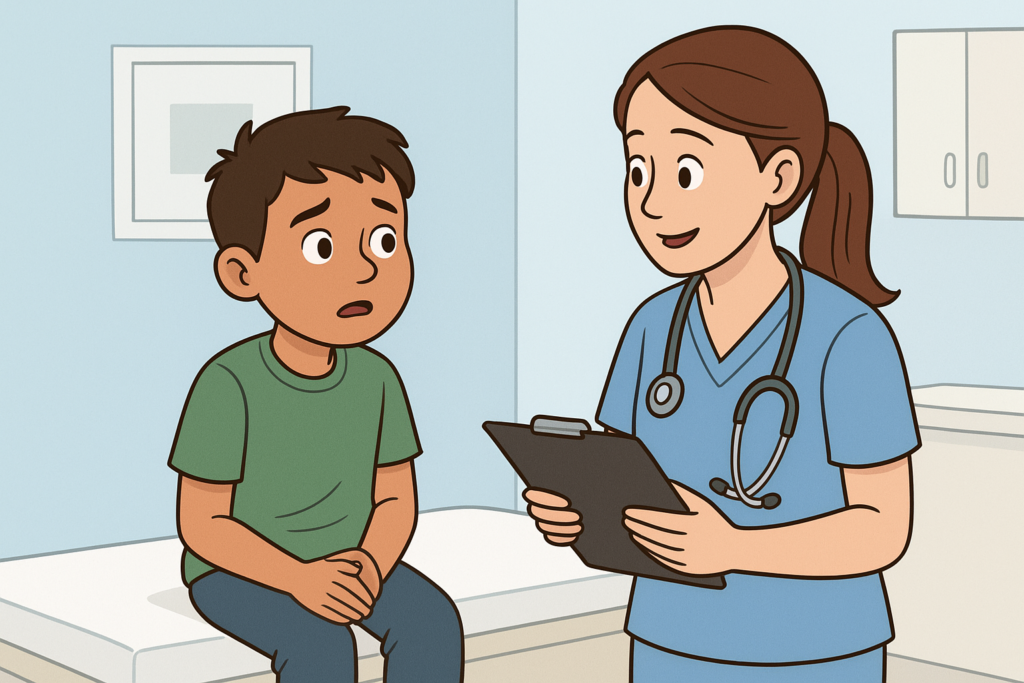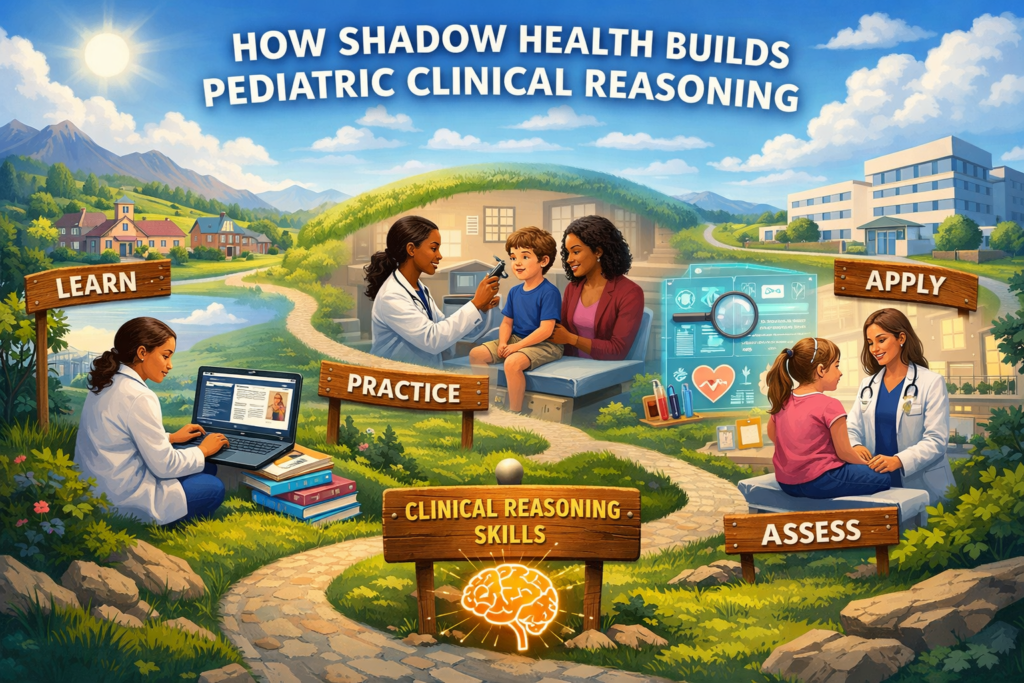
Through conducting Shadow Health Simulations, nursing students practice their abilities and clinical skills and, in the process, might make errors that will not be fatal for the patients and repeat the process, leading to mastery. To achieve this, key features and their benefits are going to be discussed in this article.
Key Features.
- Realistic patient scenarios: Involves interactive simulations of pediatric patients with various real- life conditions such as asthma and pneumonia.
- Virtual patient interactions: Here, practice communication and assessment skills with virtual patients which includes history taking and physical examination.
- Guided feedback and coaching: Receive feedback on the overall performance, including areas for improvement and suggestions for best practices in the other upcoming simulations.
- Practice and repeat: The simulation offers the opportunity to repeat scenarios and as a result, this refines the student’s skills and builds confidence to tackle future tasks.
Benefits.
- Builds confidence in pediatric care as a result of various trials that improve overall experience.
- Prepares the students for real-world clinical experiences by interacting with the virtual simulations.
- Develops critical thinking and clinical decision-making skills.
- Enhances communication and assessment skills.
Conclusion.
Clinical competence is a key skill in nursing practice during Shadow Health Simulation tests since it ensures safe and effective patient care by improving professional confidence and credibility.