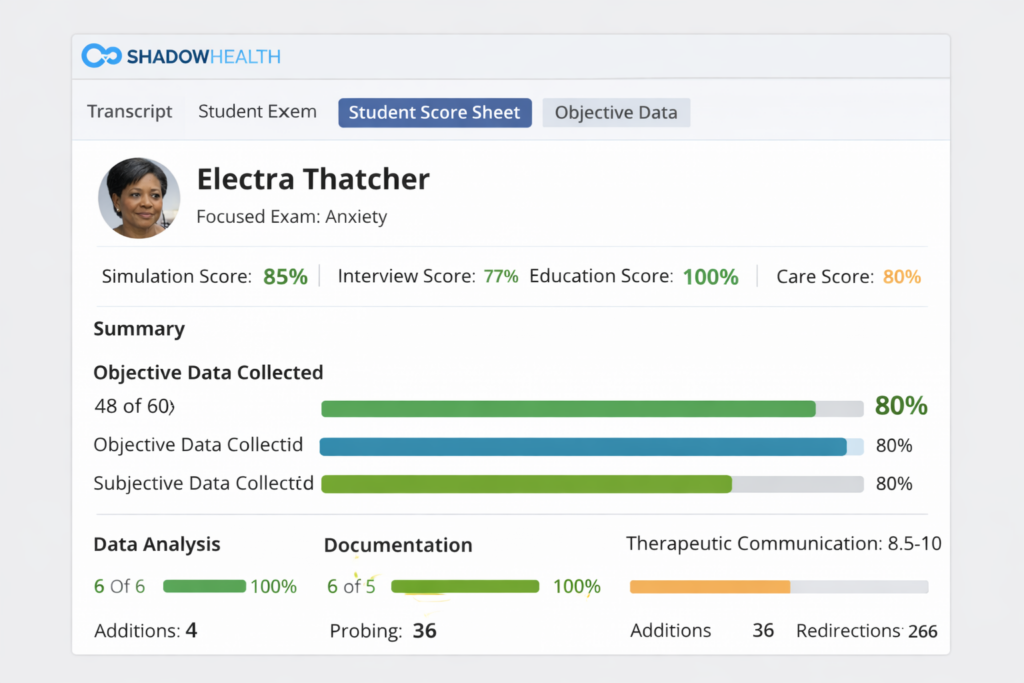
To improve scores during Shadow Health Simulation with pediatric cases, there are a number of key areas to focus on. These areas incorporated with tips noted for success are to be discussed in this article; when observed by the student nurse, they will eventually improve the overall score of the simulation test.
Good Communication Skills.
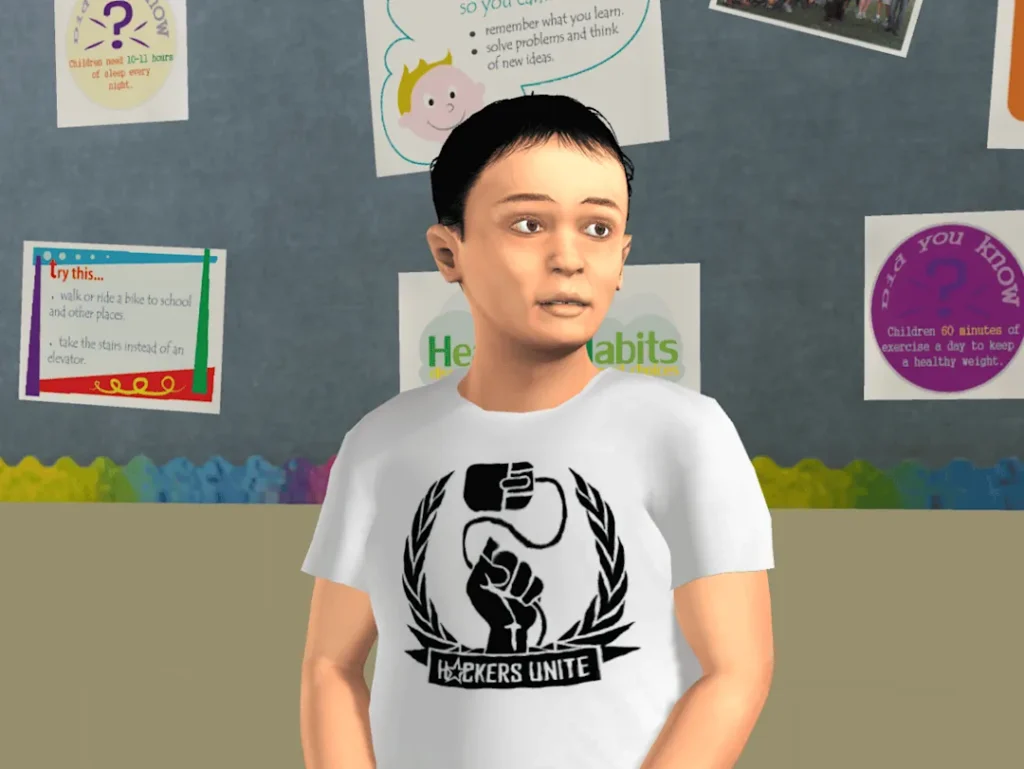
- Engage both the Parent and Patient: When introducing yourself, explain procedures and involve parents in care plan decisions. Also, address the concerns like the chief complaint raised by the patient. In Danny’s case, his immediate family that stay with him are involved in a call that helps the student nurse come to the realization that he is a passive smoker.
- Use Child-friendly language: As a nurse, you should always adapt a communication style that matches the patient’s age and development level. For instance, in Danny Rivera’s case, it is important to ask him simple questions that relate to his condition.
Thorough Assessment Skills.
- Thorough history taking: Here, ask about symptoms experienced, medical history and the socio-economic history of the patient.
- Physical examination: Perform a systematic, gentle, step-by-step thorough examination of the patient from head to toe.
- Check vital signs keenly: Accurately measure and interpret the patient’s vital signs such as the heart rate, respiratory rate among others. Danny’s simulation also involves the use of a spirometer that measures the forced expiratory volume (FEV).
Clinical Decision-Making Skills.
- Differential diagnoses: It is always a possibility to have multiple diagnoses based on the assessment findings.
- Prioritize the Chief complaint: Identify and prioritize the most critical issue affecting the patient.
- Develop a plan: After proper assessment, create a patient-centered plan including interventions that can be taken and education on the proper health practices.
Proper Documentation Skills.
- Use proper terminology: When recording subjective and objective data, always use the correct medical terms and abbreviations to avoid confusion.
- Always document all findings, interventions and education accurately.
Tips for Success.
- Listen to the video illustration at the beginning of the simulation, it gives insightful content that helps one understand the case scenario in terms of interviewing the patient, assessing the relaxed body systems, and then completing post -exam activities.
- Review feedback to identify areas to make improvements. In case you don’t get a pro-efficient score on the first attempt, you will be required to make another attempt.
- Ask generalized questions when referring to diet (Tell me about your diet), allergies (do you have any allergies), family (tell me about your family). This helps gain all the points that are clustered in one selection.
Conclusion.
By focusing on these key areas discussed above, the overall Shadow Health Score will be improved, and strong pediatric nursing skills will also be gained by the nursing student from the simulation experience.