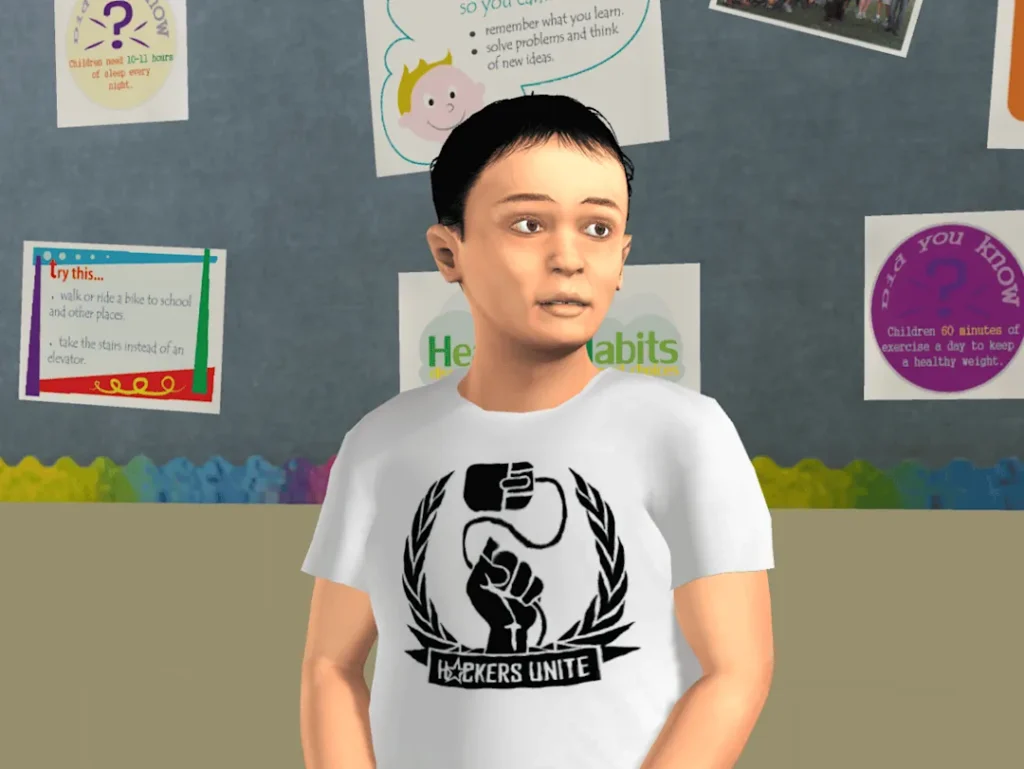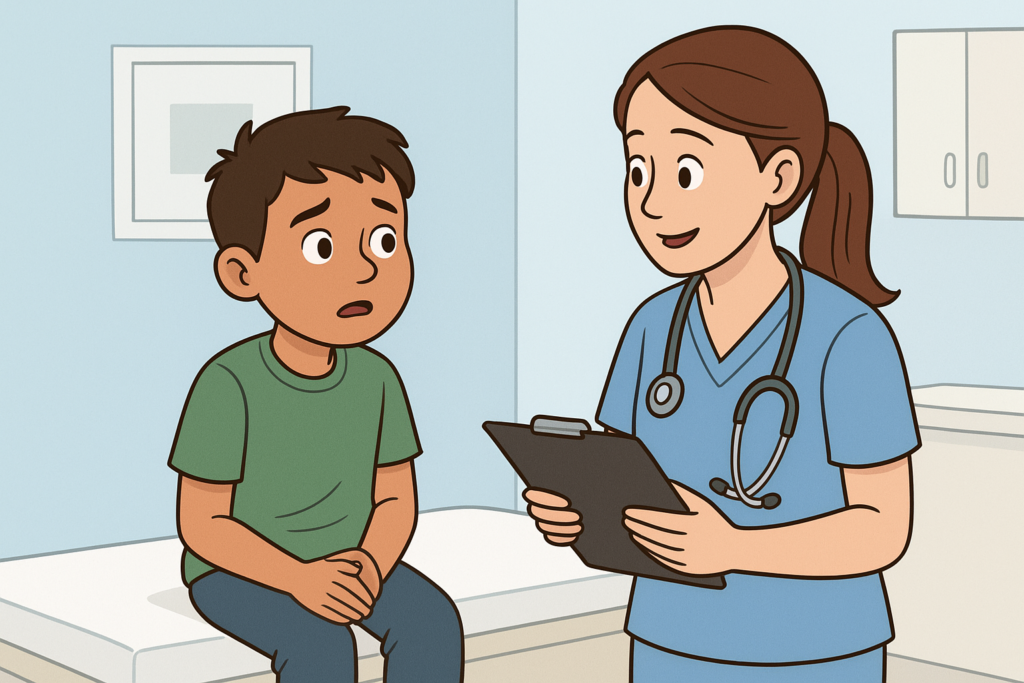
To come up with a good pediatric patient care plan during the Shadow Health Simulation, a range of skills needs to be employed. These skills help to solve various pediatric conditions which are going to be discussed in this article with benefits noted from conducting the Shadow Health Simulation.
Assessment Skills.
- Vital sign Assessment: Involve measuring and interpretation of vital signs such as the heart rate, respiratory rate, SpO2.
- Physical Examination: Perform a thorough head -to- toe assessment, including inspection, palpation, and auscultation.
Communication Skills.
- Child- Friendly Communication: Always use language that is appropriate and employ techniques that will make it easy to engage with the patients.
- Encouraging Parent-Child Engagement: Interaction between the child and the parent should be assessed and encouraged by the nurse.
Clinical Skills.
- Care Plan: After collecting both subjective and objective data, holistic care plan should be given.
- Pain Assessment and Management: Using validated tools, assess and manage the patient’s pain when needed.
Common Pediatric Conditions.
Respiratory Distress: Conditions such as asthma, sore throat and pneumonia are assessed.
Conclusion.
Mastering these pediatric skills help in the provision of the right patient care plan to children in real case scenarios. This is the aim of Shadow Health Simulations, to provide cases that helps nurses integrate knowledge learnt in class into real life cases.