Step-by-Step Pediatric Lung Assessment Inspired by Danny Rivera Shadow Health Focused Exam Cough
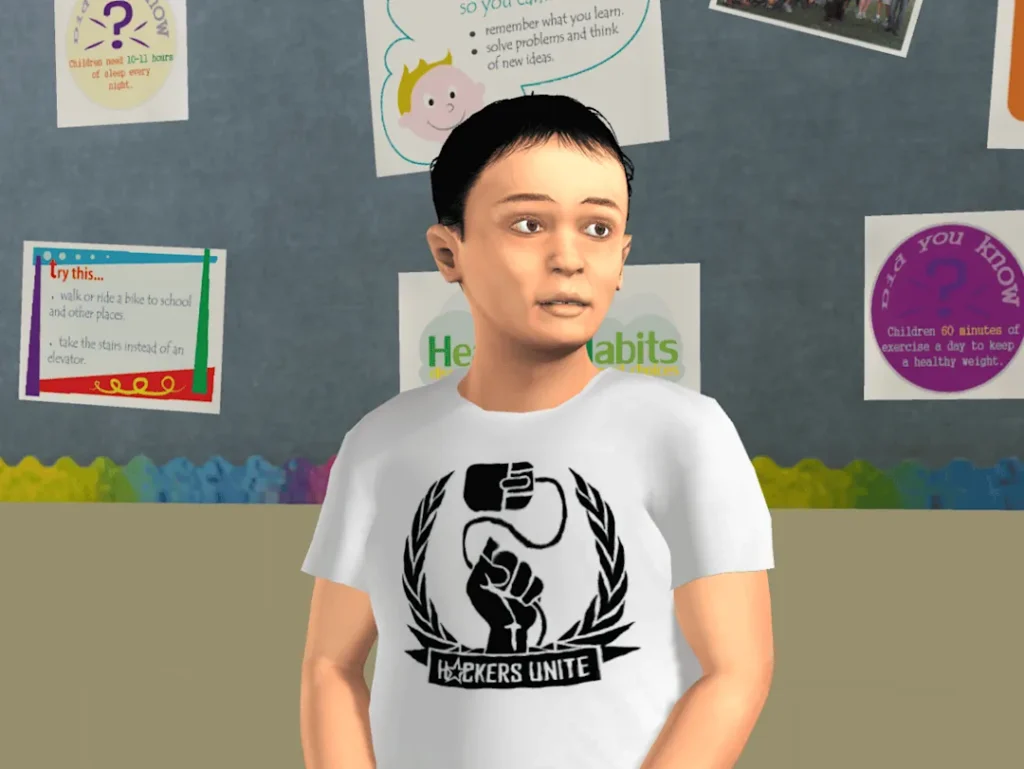
When learning to perform pediatric respiratory tests, nursing students can learn priceless lessons in the Shadow Health Focused Exam that features Danny Rivera, an 8-year-old Puerto Rican boy who came to the school nurse with a chronic wet cough. This simulation shows real-life cases of upper respiratory infections (URI) in children and focuses on methods that are suitable for their age, getting families involved, and making quick diagnoses of both serious and less serious conditions.
Danny denies fever, dyspnea, and shortness of breath but reports a cough that is gurgly (initiated 3–5 days ago), aggravated at night, with clear sputum, a runny nose, a sore throat, and mild pain in the right ear, rated 3/10. He agrees to poor hand hygiene, as he has played with an ill classmate, and exposure to secondhand smoke from his grandmother. These facts lead to a methodical lung-based assessment to identify possible causes of his symptoms: pneumonia, asthma, or the common cold.
Start with general observation and rapport-building, which are essential to anxious children. Observe Danny’s look. You will observe no acute distress, tachycardia, tachypnea, or SpO2 95% on room air vital signs, indicating mild illness with no signs of hypoxia. Ask simple questions such as “What is wrong with your cough? Ask the grandmother about her medical history, including any medications she may have taken that morning.
You can also make use of the OLDCARTS to probe further in a systematic way, i.e., Onset (3-5 days), Location (chest/throat), Duration (every few minutes, worse nights), Characteristics (wet, clear phlegm), Aggravating (night, smoke), Relieving (none), Severity (interferes with sleep), and Timing (constant). Further probe the risks. Denies fever/chills; however, presents with rhinorrhea, no sneezing, limited handwashing, and face-touching, which give cause to concern contagion transmission.
Switch to practical objective evaluation. On chest inspection, there is equal chest expansion. Secondly, perform a systematic auscultation of the chest. Lungs clear bilaterally to auscultation, with no wheezes, crackles, or loss of sounds, differentiating URI and consolidation. Make sure that you record the negatives, which may include the absence of edema or abdominal problems. Lastly, synthesize findings. Wet cough, rhinorrhea, and smoke exposure are the signs of the viral URI or postnasal drip, rather than pneumonia and asthma (no wheeze).
It is also important that the nurses teach Danny empathetically, for example, by showing and demonstrating, such as how coughs caused by colds pass and how Danny can cover his mouth and wash his hands to prevent contaminating others. Keep in mind that 21/21 subjective and 12/13 objective data are required for high scores. Danny’s shadow health experience sharpens his clinical reasoning, cultural sensitivity, and focus on prevention, leading to safer pediatric services.
For more articles on Shadow Health, you can visit our website at Taic Research using the link- https://taicresearch.com/articles/
References
CDC – Pediatric Assessment: https://www.cdc.gov
MedlinePlus – Abdominal Pain: https://medlineplus.gov
NANDA International: https://www.nanda.org
Shadow Health Health Assessment Digital Clinical ExperiencesTM for undergraduate nursing students. (n.d.). www.elsevier.com. https://www.elsevier.com/products/shadow-health/health-assessment