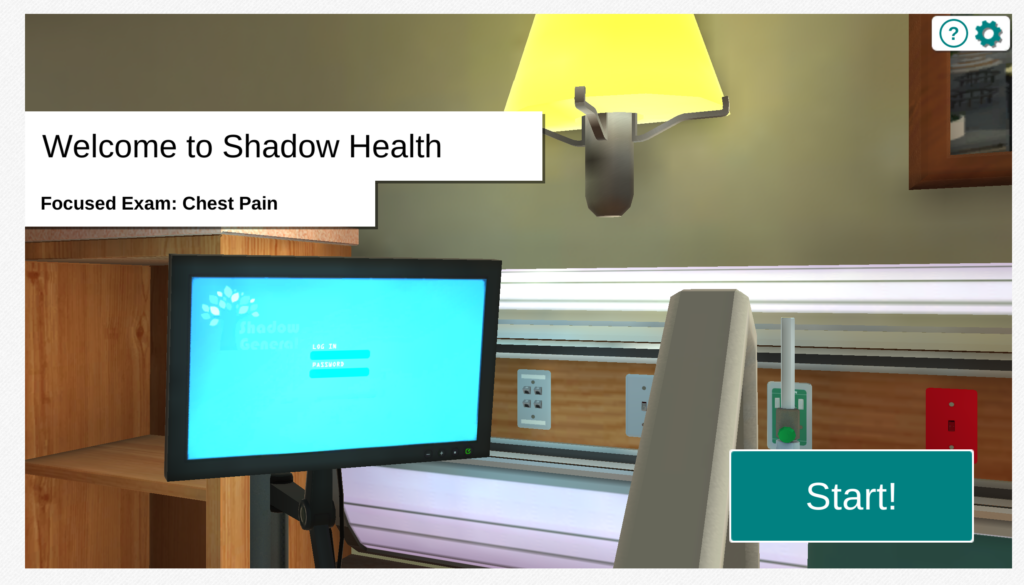
The Shadow Health Esther Park Focused Exam: Abdominal Pain offers a strong simulation to nurses in training to sharpen clinical judgment when working with geriatrics. Esther Park, a 78-year-old Korean-American female patient, comes with symptoms of abdominal discomfort and the inability to have a bowel movement, which is a typical situation in older adults. Through this case, the learners will have an invaluable experience in gathering, interpreting, and synthesizing information to make safe and evidence-based decisions.
The start of clinical judgment is through competent subjective data collection. Esther reports about crampy, dull lower abdominal pain with a rating of 6/10 that has gradually developed over two to three days. The pain is increased with food intake and movement, but not much relief is provided by rest or warm water. She denies having a bowel movement in five days, with straining, bloating, gas buildup, and anorexia. It is worth noting that she denies nausea, vomiting, diarrhea, fever, and blood in the stool.
Further investigation reveals some key risk factors: not enough fiber in the diet, not enough fluids, lack of physical exercise, and dependence on some medications that may be a causative factor of constipation. This process will help students learn how to use the OLDCARTS framework in a systematic way and still be mindful of the red-flag symptoms that may be a sign of a more severe form of condition, such as unintentional weight loss, rectal bleeding, or obstruction.
It also notes how geriatric patients can be unrealistic about symptoms because of the stoic system, culture, or fear of overburdening family members, necessitating delicate and intensive interviewing methods. It is also important to note that there exist physiological changes when it comes to pain perception in geriatric patients.
Decision-making skills are enhanced by the objective abdominal examination. Nursing students should adhere to the proper order of inspection, auscultation, percussion, and palpation in order not to confuse the results. It is important to note that the bowel sounds are normal in all of the four quadrants, with no bruits or friction rub, tympany in most of the abdomen with some dullness scattered in the left lower quadrant, mild distension, and an oblong, tender mass that can be palpated in the left lower quadrant and guarding.
Esther does not seem to be very distressed and only grimaces once palpation is conducted but is hemodynamically stable without any acute abdomen palpation with rebound tenderness or rigidity. The results allow learners to distinguish between constitutional constipation and more emergency pathologies such as diverticulitis, volvulus, or malignancy, which is an important reason to make sure that the physical examination outcomes are correlated with the history of the patient.
The greatest accomplishment of clinical judgment is achieved with the integration of subject and objective data to develop differentials and emphasize interventions by the students. The absence of bowel movements, abdominal distension, palpable fecal mass, and pain is the evidence in favor of the most likely diagnosis, which is constipation caused by poor dietary fiber and fluid adherence. Other conditions such as diverticulitis, hernia, ovarian pathology, or colorectal cancer are also ruled out accordingly, considering the absence of fever, localized and sharp tenderness, and systemic symptoms.
Treatments revolve around conservative management that includes education related to the reduction of fiber and fluids, gentle exercise, stool softeners or laxatives (in her case, an enema is administered), and the follow-up period to assess turnaround and avoid a recurrence. Showing sympathy towards Esther when she feels uncomfortable and the fact that she has a good support system that thinks about her well-being will build trust and enhance compliance.
Immediate feedback of the simulation, data collection accuracy scoring, cue detection, and reflections stimulates the growth of effective clinical judgment. Learners also work on practice that involves culturally sensitive care and are aware of the dietary and lifestyle habits typical of elderly Korean-Americans and report findings in the SOAP format to communicate them to the practitioner.
Finally, the Esther Park case brings the nurses to the level of advanced clinical decision-making by placing them in the world of geriatric presentations, atypical symptoms, risk of polypharmacy, family issues, and necessary preventive attention. This safe, interactive environment trains future nurses to make prompt, correct decisions, shorten diagnostic times, and improve patient safety and outcomes in actual clinical practice.
For more articles you can get them in our website at Taic Research using the Link: https://taicresearch.com/articles/
References
Centers for Disease Control and Prevention. (n.d.). CDC. https://www.cdc.gov/
MedlinePlus. (n.d.). MedlinePlus – Health Information from the National Library of Medicine. https://medlineplus.gov/
NANDA International, Inc. (2025, October 14). NANDA International, Inc | Home. NANDA International, Inc |. https://www.nanda.org/
Shadow Health Health Assessment Digital Clinical ExperiencesTM for undergraduate nursing students. (n.d.). www.elsevier.com. https://www.elsevier.com/products/shadow-health/health-assessment