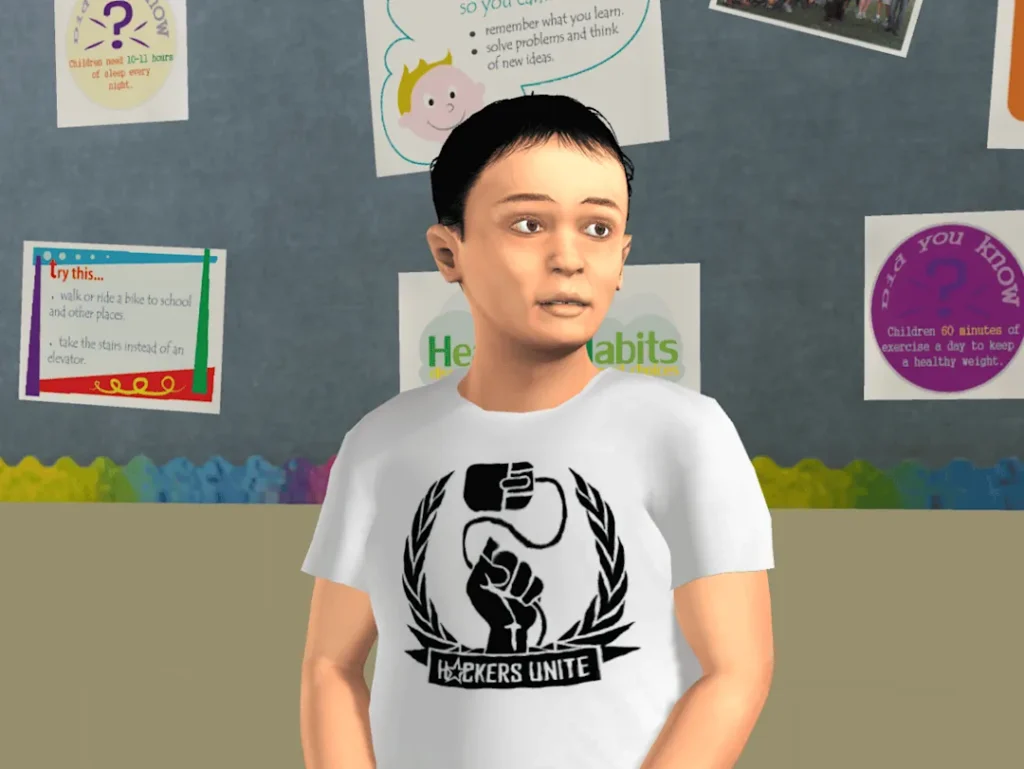
During the Shadow Health Simulation, recognizing subtle symptoms is key in performing a thorough cardiovascular assessment on patients who present with health conditions such as chest pain, like Brian Foster. Paying close attention to even minor changes in the patient’s vital signs, skin color, or reported discomfort can significantly impact the accuracy of the assessment.
This careful observation not only helps in diagnosing potential cardiac issues but also guides the nurse in developing an effective care plan at the conclusion of the simulation. Additionally, it supports student nurses in achieving high scores in both the subjective and objective data collection sections, ensuring a comprehensive understanding of the patient’s condition. This article will discuss the critical points and strategies noted during the simulation that aid in performing a precise and effective cardiovascular assessment.
Shadow Health Steps to Recognize Subtle Symptoms.
- Pay Attention to Verbal Cues.
When collecting subjective data, make sure you listen carefully to the pain description and characteristics of the patient. Often, patients exhibit a pain rating of around 5-6/10, lasting a few minutes and relieving with rest. For instance, Brian Foster had a pain rating of 6 that was often triggered by exertion and sometimes associated with shortness of breath or mild nausea. These are the key subjective findings to carefully look out for during assessment.
- Observe Non-Verbal Cues.
Always note if the patient is guarding their chest or leaning forward during palpation. Additionally, observe facial expressions, sweating, breathing patterns, and body movements, as these non-verbal cues provide critical insight into subtle signs and discomfort exhibited by patients with cardiovascular conditions, helping the nurse detect early warning indicators of cardiac distress.
- Explore Associated Symptoms.
During the interview, ask the patient if they are experiencing symptoms such as shortness of breath, nausea, dizziness, or radiating pain. The nurse should also ask follow-up questions to identify possible triggers or patterns. For example, Brian Foster’s chest pain was often triggered by physical exertion, indicating a potential cardiac origin. Additionally, the presence of radiating pain to the left shoulder, jaw, or arm is a classic symptom often associated with myocardial infarction, and the nurse should assess its duration, intensity, and frequency to guide further evaluation and immediate care planning.
- Consider Risk Factors.
Conditions such as hypertension, hypercholesterolemia, and a family history of heart disease and high cholesterol present significant risk factors for cardiac disease in Brian Foster’s case. These factors increase his susceptibility to serious cardiovascular events, including heart attacks. Therefore, it is crucial to carefully document his family history, past medical history, and lifestyle habits, as these details provide valuable insight for early detection, preventive measures, and the development of an effective, individualized care plan.
Conclusion.
During the Shadow Health Simulation for Brian Foster’s cardiac assessment, it is important to take note of all the positive and negative findings when taking his history since they give a clear picture of his cardiac health and overall condition. Careful attention to his medical history, lifestyle factors, and family history can provide valuable context. It is also essential for the nurse to observe and document the signs and symptoms he presents with, including subtle changes, to help diagnose his critical state early and develop an effective, individualized care plan that addresses both immediate and long-term needs.
For more shadow health articles, visit our website https://taicresearch.com/articles/
References.
MedlinePlus. (n.d.). MedlinePlus – Health Information from the National Library of Medicine. https://medlineplus.gov/
NANDA International, Inc. (2025, October 14). NANDA International, Inc | Home. NANDA International, Inc |. https://www.nanda.org/ Shadow Health Health Assessment Digital Clinical ExperiencesTM for undergraduate nursing students. (n.d.). www.elsevier.com. https://www.elsevier.com/products/shadow-health/health-assessment
Centers for Disease Control and Prevention. (n.d.). CDC. https://www.cdc.gov/