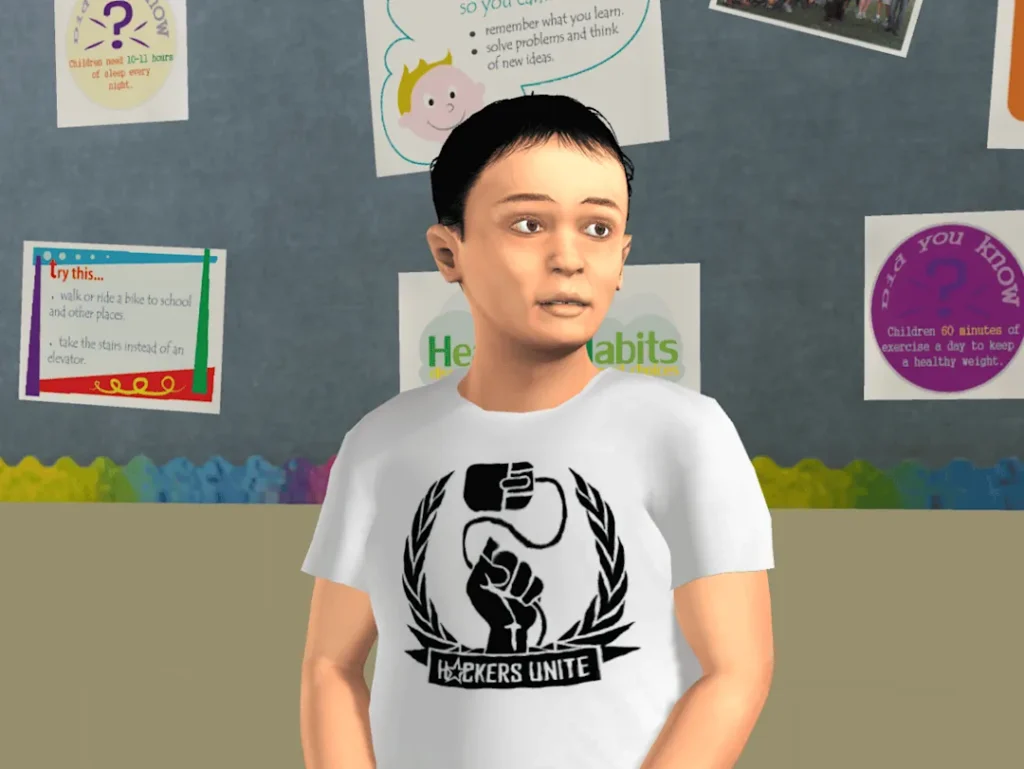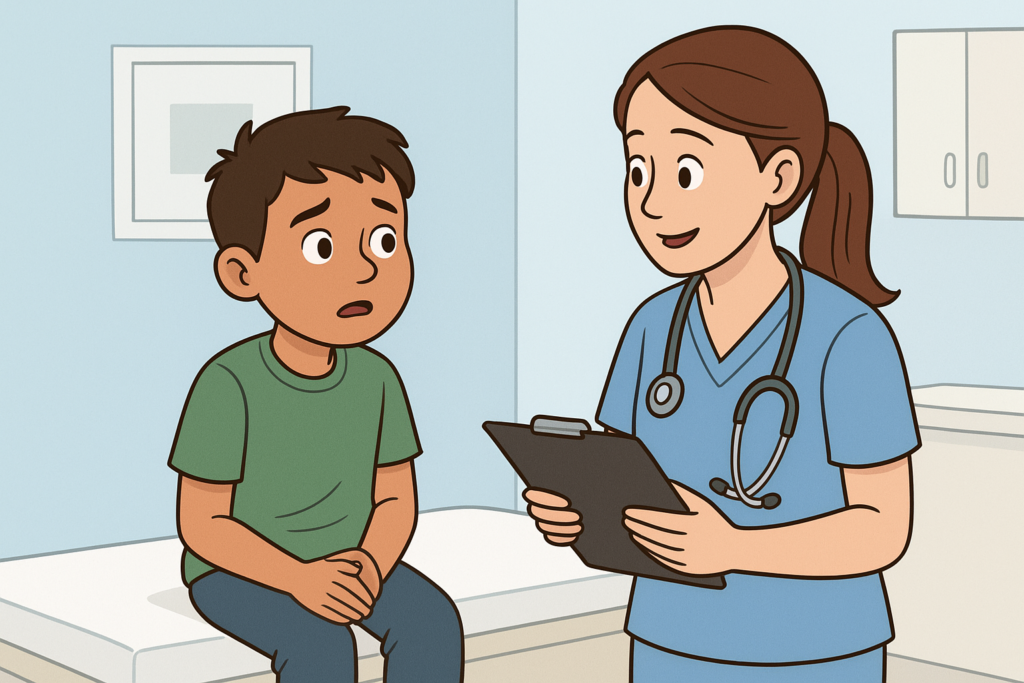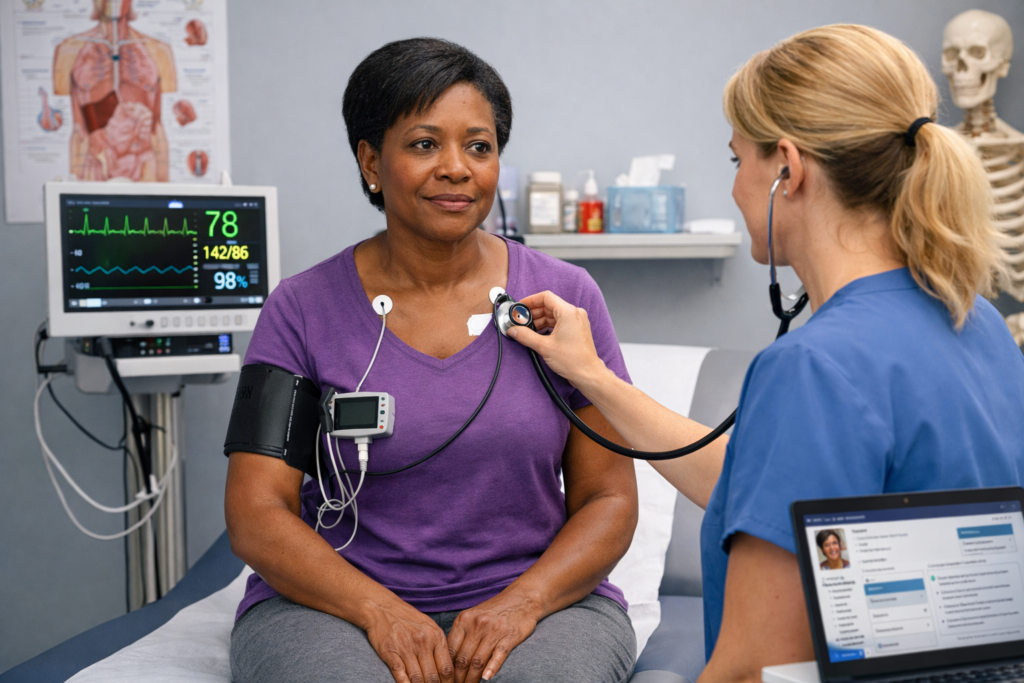
During Shadow Health Simulation, not only is the primary goal gathering information but also developing therapeutic communication skills especially during health history collection and comprehensive assessments. Points noted to enhance communication with the patient during the digital clinical experience of Tina Jones such as active listening, and rapport-building will be discussed in this article.
Shadow Health Practices for Enhancing patient communication.
- Start with Rapport-Building.
Begin the interaction with the patient warmly to make them feel comfortable. This establishes trust early and represents real world patient interactions where the nurse needs therapeutic communication skills to gather information from the patient.
- Use Empathetic Language.
Show empathy throughout the simulation to validate the patient’s experiences. For instance, “I’m sorry for your loss ” after Tina Jones expresses sadness when she talks about her father’s sudden demise in a road accident.
- Practice Active Listening.
The nurse should always pay close attention to the patient’s responses and follow-up thoughtfully. Always avoid interrupting the patient to let her fully respond. A mix of open-ended questions for broader exploration (“Can you tell me more about your foot pain?”) and closed questions for specifics (“On a scale of 0-10, how bad is the pain?”) should be used by the nurse to gather subjective/objective data from the patient.
- Be Clear, Concise, and Patient Centered.
Always focus on the patient’s concerns first (foot wound) before diving into the patient’s full history. Avoid ambiguous wordings during documentation and be aware of non-verbal/para verbal cues and respond accordingly, for instance, the simulation provides one critical paraverbal cue when Tina jones changes her tone while talking about her father’s death.
- Ask Comprehensive but Targeted Questions.
Cover all the required categories of the patient (history of presenting illness, past medical history, family and social history), without overwhelming the patient. Use follow-up questions to clarify, for instance, “Does anything make the pain better or worse?”. This thorough interview leads to better subjective data collection.
- Document Accurately.
After thorough collection of subjective/objective data, document your findings comprehensively to avoid missing points. It is always recommended that you document simultaneously as you collect data instead of collecting all the data and documenting them at the tail end.
By prioritizing the strategies discussed above, the student nurse is able to achieve higher scores during the Simulation test and also gain communication skills needed by the student nurse during real world clinical encounters.
For more Shadow Health articles, visit our website at TAIC research https://taicresearch.com/articles/
References
MedlinePlus. (n.d.). MedlinePlus – Health Information from the National Library of Medicine. https://medlineplus.gov/
NANDA International, Inc. (2025, October 14). NANDA International, Inc | Home. NANDA International, Inc |. https://www.nanda.org/ Shadow Health Health Assessment Digital Clinical ExperiencesTM for undergraduate nursing students. (n.d.). www.elsevier.com. https://www.elsevier.com/products/shadow-health/health-assessment
Centers for Disease Control and Prevention. (n.d.). CDC. https://www.cdc.gov/