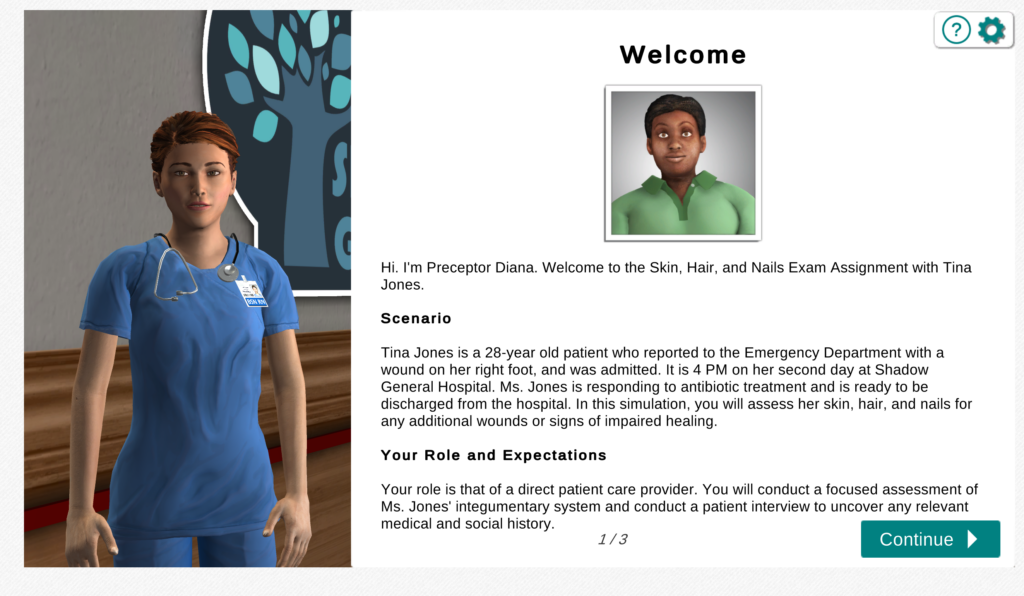
The Esther Park health history in the Focused Exam of Abdominal Pain in Shadow Health is a crucial simulation that helps nursing students to train their history-taking skills and receive subjective information with a virtual patient. The case of Esther Park, a 78-year-old woman, is a realistic scenario where she is presented with bowel problems and abdominal pain. The guide provides the students with measures to handle the interview successfully and collect all the data to understand how to develop clinical reasoning regarding typical geriatric gastrointestinal conditions.
Begin the health history by establishing rapport and identifying the chief complaint. Due to the anxiety of her daughter, Mrs. Park constantly has complaints of stomach aches and inability to use the bathroom. Ensure that you use open-ended questions to elicit more detailed responses, such as, “Can you explain what has brought you in today?”
This shows how the pain started approximately five days ago, and it was accompanied by constipation. Ask more about when the pain started (slowly over several days), where it hurts (lower abdomen, not specific), how long it has lasted (constant and getting worse in the last 2-3 days), what the pain feels like, what makes it worse, what makes it better (like resting and sipping warm water), any other symptoms (like blo
Explore her gastrointestinal history to find trends. Mrs. Park reports typical daily bowel movements, which are brown, developed, and soft, with no successful attempts in the past 5 days, and the last one three days ago made her uncomfortable. Ask about any alterations in her stool; she denies having blood, mucus, or any recent episodes of diarrhea. Inquire about urinary symptoms, where she reports a slightly lower frequency with darker urine, which eliminates the possibility of hematuria. This integrative review assists in distinguishing such causes as constipation and more severe ones.
Obtain her medical, surgical, and social history to see the picture. Her diagnosis of hypertension is 54 years. Her surgical history includes a normal C-section at age 40 and a normal cholecystectomy at age 42. Socially, she is widowed and lives with her supportive daughter; she follows a diet of fruits, vegetables, and lean proteins, eating three meals a day, although her food intake has decreased recently. A combination of these subjective data points allows concluding that constipation is the key issue, and the differentials are diverticulitis or intestinal obstruction.
Nurses are expected to show empathy and educate Esther Park when necessary, e.g., when she states that she is in pain and feels uncomfortable; they should also educate her about fiber and hydration. This kind of simulation provides practice, which improves questioning skills, intercultural sensitivity with elderly patients, readiness for real-life evaluation, and eventually patient-centered care.