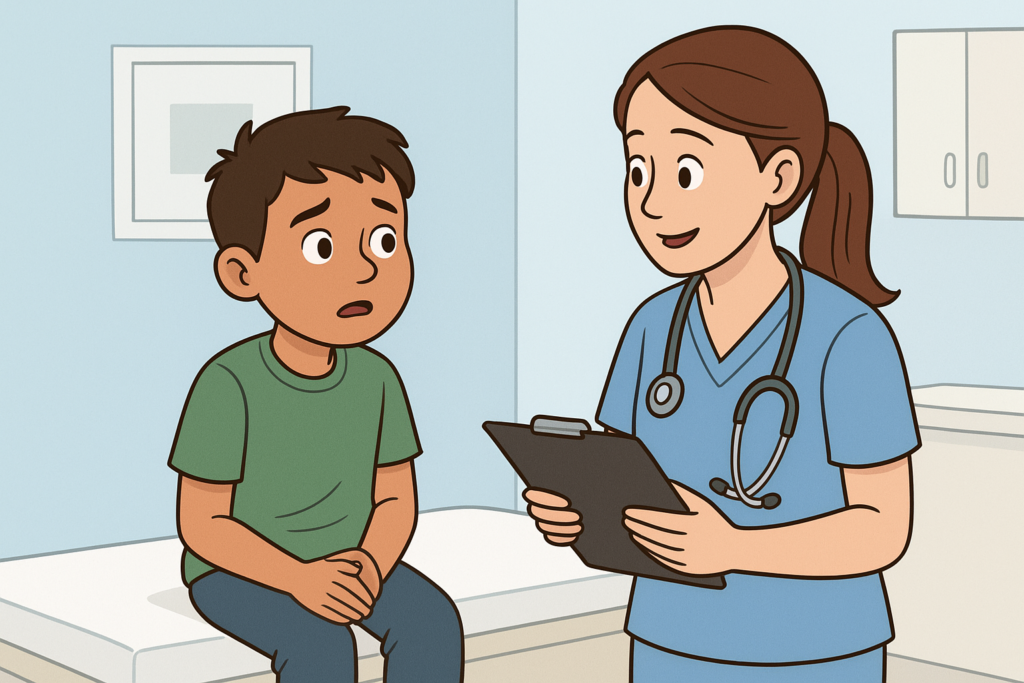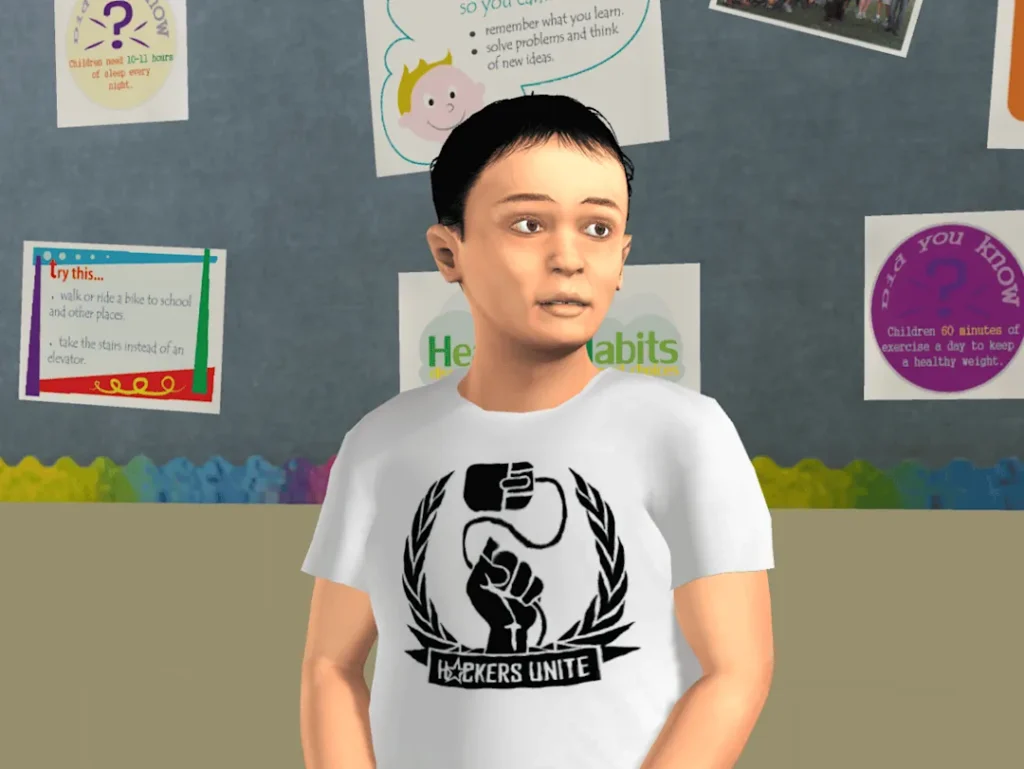
Danny Rivera’s Shadow Health provides students with necessary information regarding the performance of a comprehensive and age-related pediatric examination. Danny, an 8-year-old, presents with a chronic productive cough. We will cover key pediatric assessment takeaways from this case. To begin with, the case is based on establishing rapport with the child and the caregiver. Danny is a shy and soft-spoken person; thus, talking in simple and non-intimidating language, keeping eye contact at his level, and letting him respond directly to questions contribute to the development of trust and encourage him to give accurate information.
At the same time, it is important to note the role of the grandmother in the case scenario. To have a successful pediatric assessment, there is a need to balance child-focused communication and guardian engagement to get the right subjective information. The subjective history-taking should be structured and at the same time adaptable. According to Danny, a typical symptom of an upper respiratory infection (URI) is a gurgling cough that is more intense at night, clear nasal discharge, sore throat, pain in the right ear, and fatigue.
An examination of the environmental factors would indicate the secondhand smoke exposure due to family members and their recent interaction with a sick classmate, which is a social determinant that affects pediatric health. A history of frequent colds, ear infections, and pneumonia is part of the past medical history that supports the pattern of recurrent respiratory problems. These facts help to emphasize the necessity to evaluate not only direct symptoms but also the risk factors and social background in children.
Objective assessment deals with the specific HEENT and respiratory system. Some important findings include a runny nose, a sore throat with bumpy areas (which suggests postnasal drip), possible inflammation of the right eardrum, sore lymph nodes in the front of the neck, slightly fast breathing, and clear lungs. Normal results, including equal chest expansion and lack of wheezing or pain, assist in excluding the involvement of lower respiratory. Nurses learn to prioritize the relevant systems while conducting a focused yet comprehensive assessment that addresses the chief complaint. Therapeutic communication is not limited to the collection of data.
Showing that Danny had a broken sleep and school-going life makes his world true, whereas giving explicit and practical education on hand hygiene, coughing patterns, hydration, and minimizing exposure to smoke makes the family capable of preventing the recurrence. Instruction tailored to the comprehension of an 8-year-old (e.g., like an 8-year-old superhero, you have to cover your cough) is more retentive. In conclusion, clinical reasoning is a process that incorporates the findings into differentials: most likely viral URI, possible otitis media, or allergic rhinitis.
This case confirms that pediatric examinations require developmental consciousness, family involvement, environmental sensitivity, and accurate recording. The ability to learn these main pediatric assessment conclusions from Danny Rivera will prepare the student to provide an evidence-based and caring approach to children and their families.
For more Articles on Shadow Health you can click the link: https://taicresearch.com/articles/